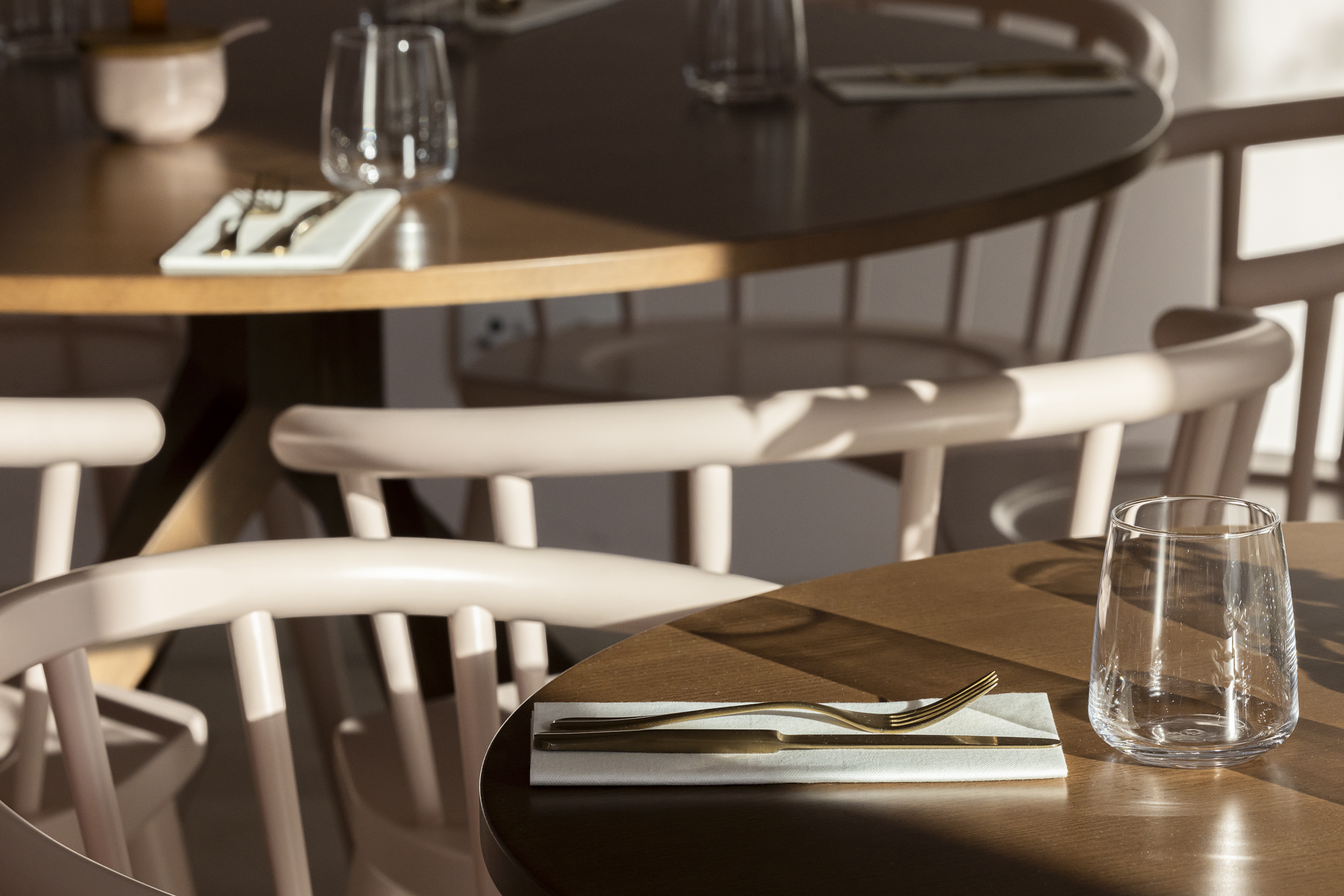
Encci - Unser Brunch & Pizza Spot in Carvoeiro
The best time to visit for a beach holiday is between June and August. During this time, you can expect around 12 hours of sunshine a day and enjoy temperatures that are consistently above 25 degrees Celsius, if not over 30 degrees. The water temperatures in the relatively cool Atlantic ocean can even reach around 21 degrees. Of course, the sea breeze offers a welcome freshness in summer.
Temperatures reach an average of 20 degrees Celsius in the spring months of March to May. There are only a few rainy days and conditions are ideal for an active holiday or a city break. However, the water temperature remains quite cool at this time of year, so you have to be brave to go for a dip in the sea.
In the autumn months of September to November, temperatures often reach around 25 degrees Celsius, but the hours of sunshine are considerably fewer and rain is a possibility. Similarly to the spring, this time of year is suitable for exploring the towns or nature itself. The sea is still warm until mid-October at least, so there’s no reason why you can’t enjoy a late summer beach holiday.

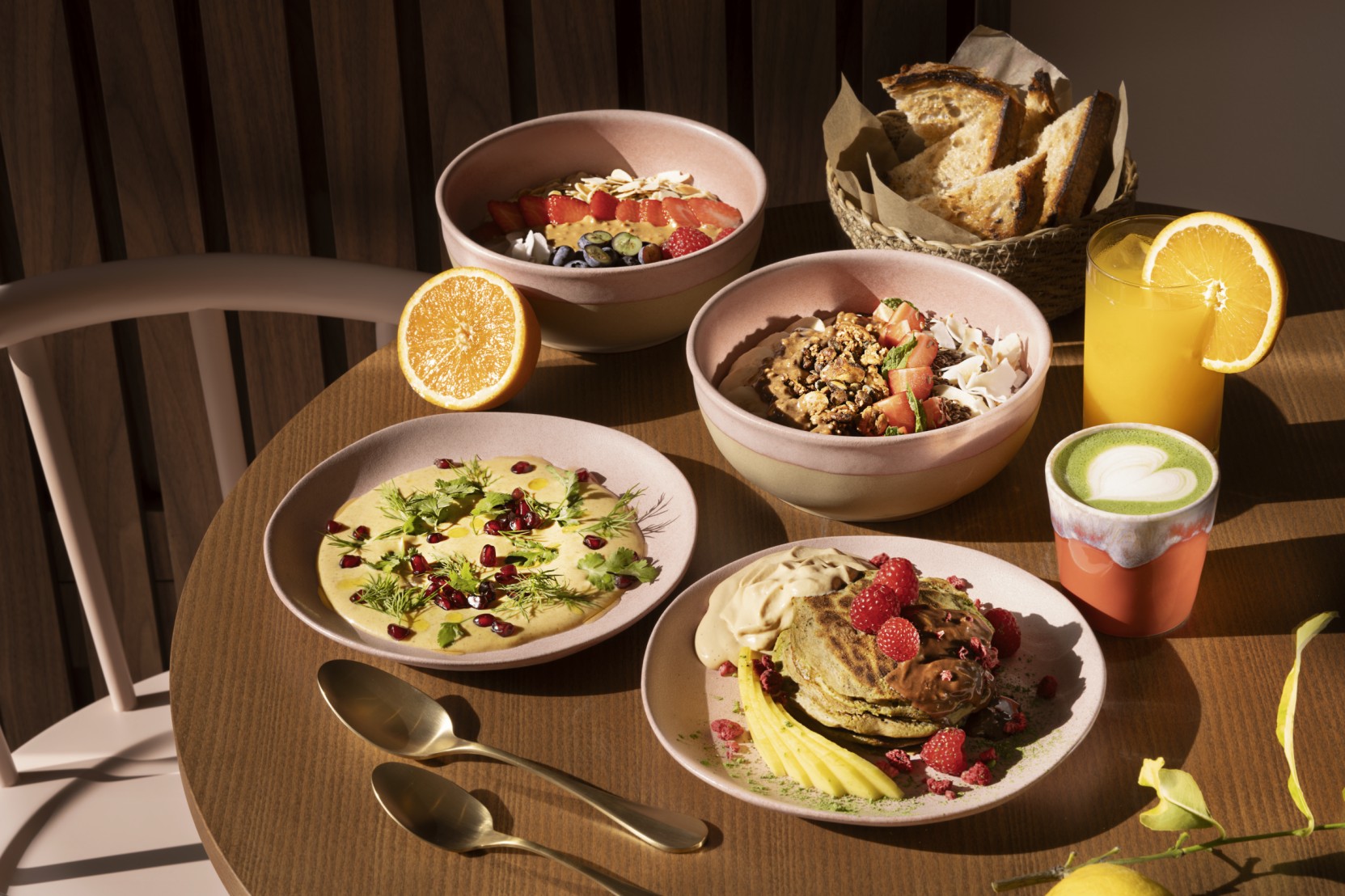

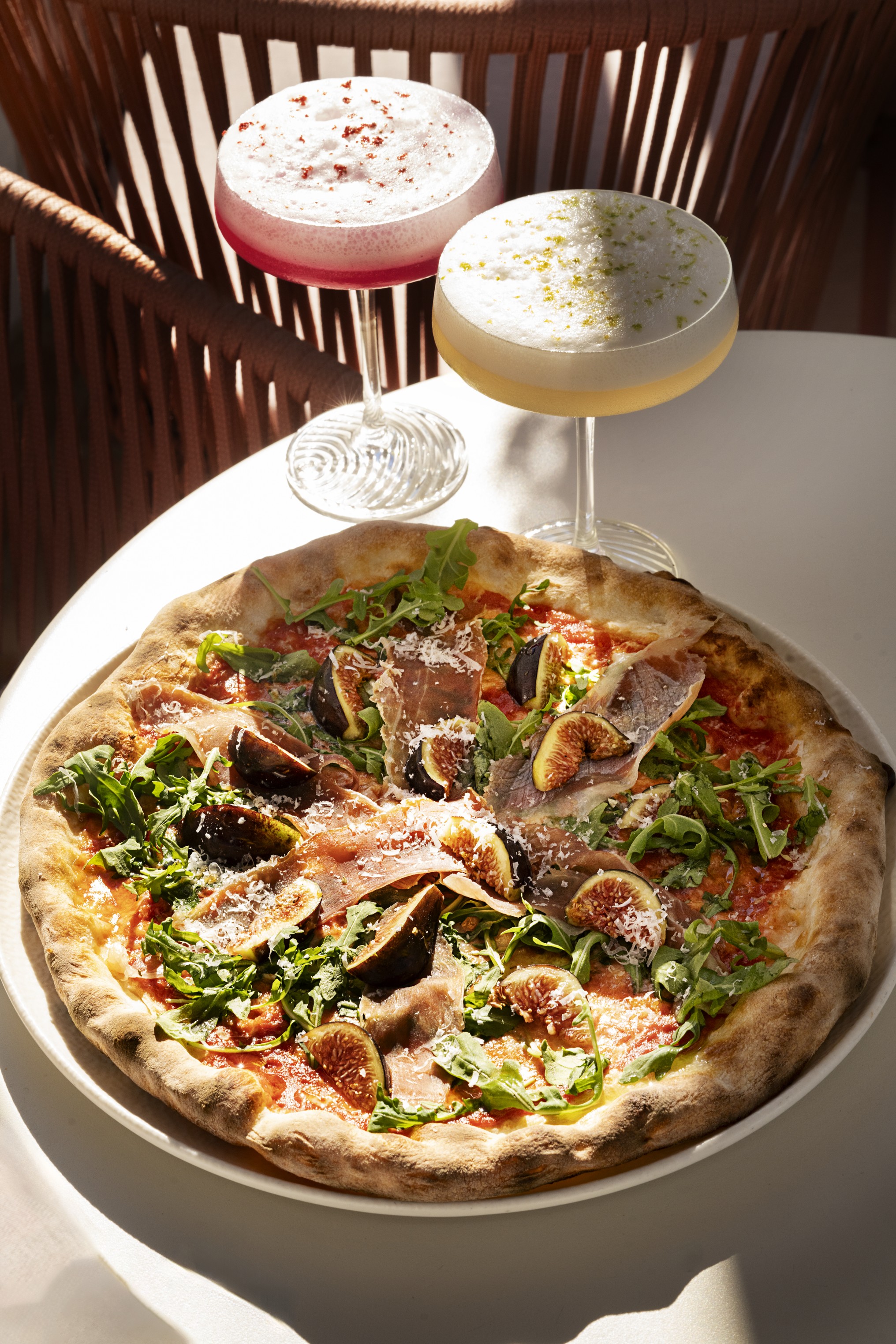
Gruß aus der Küche!
An essential part of our philosophy is based on getting to know the regional specialities. This means immersing ourselves in the local delicacies. Enjoy your meal!
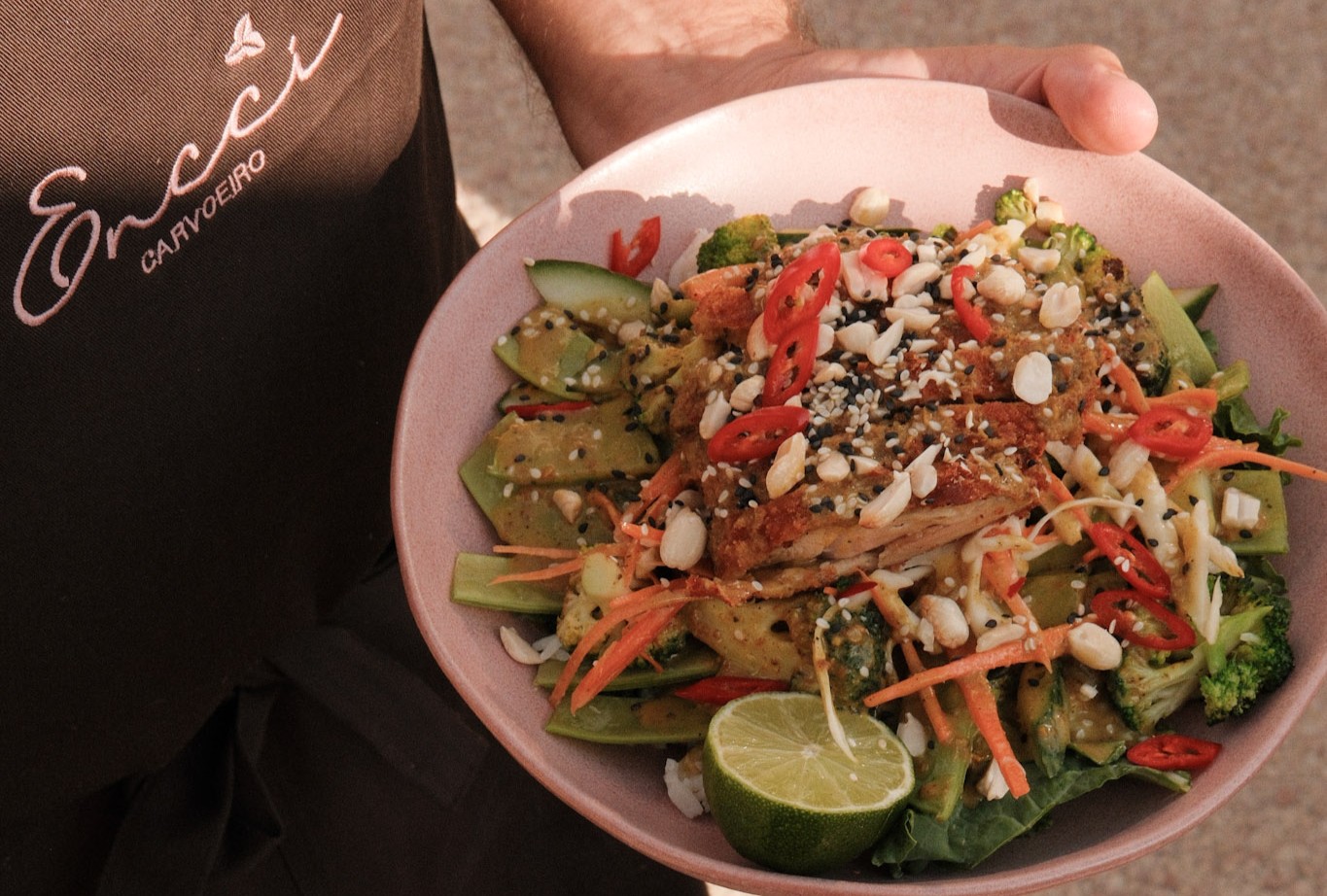
Want a sneak peek?
A sample from the book:
"In autumn we joined fisher Erico Gomes Martins for a few hours on his boat. We witnessed quivering fishing lines, colourful bait, the swell of the Atlantic and a reunion with a ten-legged squid.
A beautiful September evening is coming to a close. Fim do trabalho! Noélia’s guests are enjoying a last glass of wine or sipping a bica, an espresso. The restaurant door swings open again and a thin, wiry man heads haltingly in the direction of the kitchen. Noélia meets him halfway and throws an admiring glance into the red bucket that he is carrying in his right hand. A few words, and a short nod. Comprato! Done, bought! This is how we get to know the fisherman Erico Gomes Martins. He regularly offers his daily catch to Noélia in Cabanas da Tavira. And after a quick chat, he invites us to come out with him in his boat the following day. We shake on it: combinado! It’s settled. The meeting place is 5 o’clock the next evening on O Armazém, a café on Tavira’s jetty.
One and two-storey houses line the shore of Rio Gilão. Some are simple and have been turned into taverns and souvenir shops, and others are prettily renovated, like the historic fish market. But not only the buildings near the river bear witness to Tavira’s former heyday. More prominent evidence is shown by the villas belonging to former tuna fish barons. From the eighteenth century until the 1970s, the coastal town lived handsomely from catching and processing red atum, or tuna."